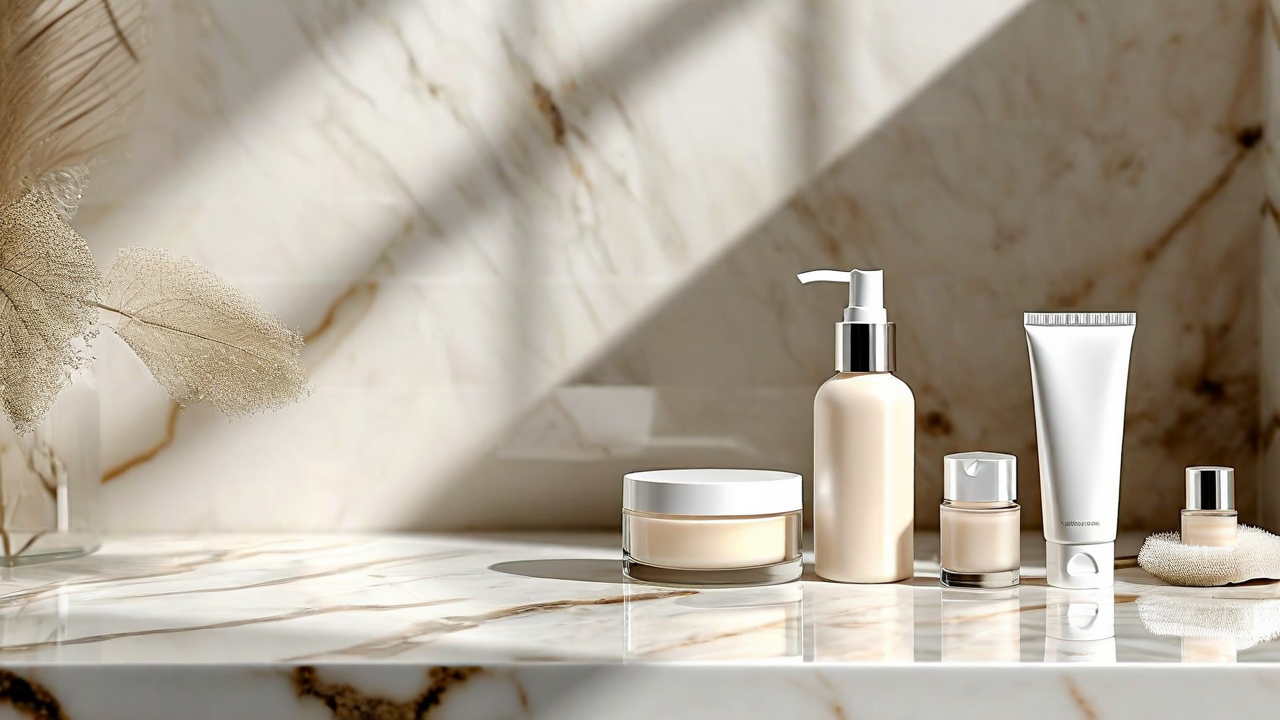
Personal care has been one of the most fertile categories for DTC brand building over the past decade. The combination of high purchase frequency, strong emotional customer relationships, and genuine product differentiation opportunities has created a category that rewards brand builders who understand both the science of skin and body care and the consumer psychology of how people relate to their daily personal care routines.
At the same time, personal care is one of the most competitive DTC categories, and the barrier to meaningful market share has risen dramatically as the original generation of DTC personal care disruptors has grown into established competitors with significant brand equity and distribution advantages. Building a compelling personal care DTC brand today requires a more specific and more differentiated approach than launching a clean-label alternative to a legacy brand in an established category.
The Shift from Clean Ingredients to Clinical Outcomes
The first generation of DTC personal care disruption was largely built on the clean ingredients narrative. Brands that offered products free from controversial chemicals, synthetic fragrances, and preservatives that had come under consumer scrutiny found ready customers among a growing population of ingredient-conscious consumers who were willing to pay premium prices for products they felt confident about. This clean positioning created genuine differentiation against legacy personal care brands that were slow to respond to ingredient scrutiny.
The market has matured significantly beyond this positioning. Clean has become a table-stakes expectation rather than a differentiation opportunity — virtually every personal care brand launching today leads with clean credentials as a baseline rather than a headline. The brands building genuine competitive advantage in personal care today are the ones that have moved beyond clean ingredients to clinical outcomes, offering not just products that are free of concerning ingredients but products that deliver measurably better results for specific skin or body conditions.
The clinical outcomes shift in personal care parallels what has happened in functional nutrition, and it creates similar investment dynamics. Brands that can demonstrate genuine efficacy — ideally through clinical trials, but at minimum through robust customer outcome data — have a fundamentally different conversation with their customers than brands whose primary positioning is formulation transparency. Efficacy-forward brands create outcome-motivated customers with better retention because the purchase decision is grounded in results rather than values alignment alone.
Ingredient Innovation as Competitive Strategy
The genuine product differentiation opportunities in personal care today are concentrated in ingredient innovation rather than formulation philosophy. The dermatological and cosmetic science literature is advancing rapidly, with new active compounds, delivery system innovations, and formulation technologies creating real efficacy differences between products that are not visible to consumers at the ingredient list level.
Founders who build their product strategy on genuine ingredient innovation — working with cosmetic chemists and dermatological scientists who understand the leading edge of active ingredient research — create product advantages that are both meaningful for consumers and difficult for competitors to quickly replicate. The development time for a well-formulated clinical skincare product is typically twelve to eighteen months when done rigorously, which means that a brand that is consistently working at the frontier of ingredient science maintains a moving advantage over competitors who are working with established formulation approaches.
The challenge for seed-stage personal care founders is that genuine ingredient innovation requires either deep personal scientific expertise or access to high-quality cosmetic science partners who can translate the leading edge of dermatological research into consumer-appropriate formulations. Building these relationships takes time and requires demonstrating that you are working seriously with the science rather than just looking for marketing-friendly ingredient claims to add to a commodity formulation.
The Skin Condition Category Within Personal Care
One of the most compelling areas of personal care for seed-stage investment is the skin condition subcategory — products designed for consumers with specific, diagnosed or self-diagnosed skin conditions who are underserved by both prescription treatments (too expensive, too inconvenient, or too powerful for mild-to-moderate presentations) and general skincare products (not formulated with the specificity their condition requires). Eczema, psoriasis, rosacea, acne, and hyperpigmentation represent large consumer populations with strong purchase motivation and high tolerance for premium pricing when products demonstrably address their condition.
Skin condition brands benefit from several structural advantages. Customers with genuine skin conditions are highly engaged with product research and highly motivated by outcomes, which creates both better conversion from the right acquisition channels and better retention when the product delivers. Practitioners — dermatologists, estheticians, and primary care physicians who manage skin conditions — represent a high-quality recommendation channel that can deliver the most motivated customers with the lowest effective acquisition cost. And the condition specificity of these brands creates natural community dynamics among customers who share the same skin challenges and want to learn from each other's experiences.
Building the Personal Care Brand World
Personal care is one of the categories where brand world investment at the seed stage pays the highest dividends. The relationship that consumers have with their personal care products is intimate — these products are used daily, often as part of morning and evening routines that have a ritual quality, and they are applied to the body in ways that create a tactile and sensory relationship with the brand that goes far beyond most consumer product categories.
A personal care brand world that is designed with this intimacy in mind creates a different kind of customer relationship than a personal care brand that focuses primarily on functional claims. Packaging that communicates luxury and care creates a positive ritual experience with every use. Scent profiles that are distinctive and pleasant create a sensory memory association with the brand. Visual aesthetics that communicate the brand's values and positioning make the product a part of the customer's self-expression as well as their self-care.
These brand world investments are particularly important in personal care because the category has high social discovery — consumers share their skincare and body care routines with their networks at a high rate, both in person and on social platforms. A brand with a strong visual identity and a distinctive aesthetic is shared more readily and photographed more frequently than a brand with a generic presentation, which creates organic discovery that compounds the value of the initial brand world investment over time.
Key Takeaways
- Clean ingredients have become table stakes in personal care DTC. The differentiation opportunity has shifted to clinical outcomes — demonstrably better results for specific skin or body conditions.
- Genuine ingredient innovation, grounded in cosmetic science research, creates moving product advantages that are difficult for competitors to replicate quickly.
- Skin condition brands benefit from structurally superior customer motivation, practitioner recommendation channels, and natural community dynamics that create compounding retention advantages.
- Brand world investment pays the highest dividends in personal care because of the intimate, ritualistic nature of daily personal care use and the high social discovery dynamics of the category.
- The personal care founder who combines dermatological or cosmetic science expertise with genuine brand sensibility and community-building instinct is building in the most defensible position in the category.
Conclusion
Personal care DTC remains one of the most compelling categories for seed-stage investment when a founder is working at the genuine frontier of the category — in clinical outcomes, in ingredient innovation, or in serving skin condition populations that are underserved by existing products. The commodity end of personal care is crowded and price-competitive, but the specialist end, where science meets exceptional brand building, continues to produce the category's most exceptional companies.
If you are building a personal care brand at this frontier, Root Evidence Ventures would welcome a conversation. We invest in personal care DTC as part of our broader focus on consumer health and are always interested in founders who are doing genuine work at the intersection of science and brand. Contact us through our contact page.